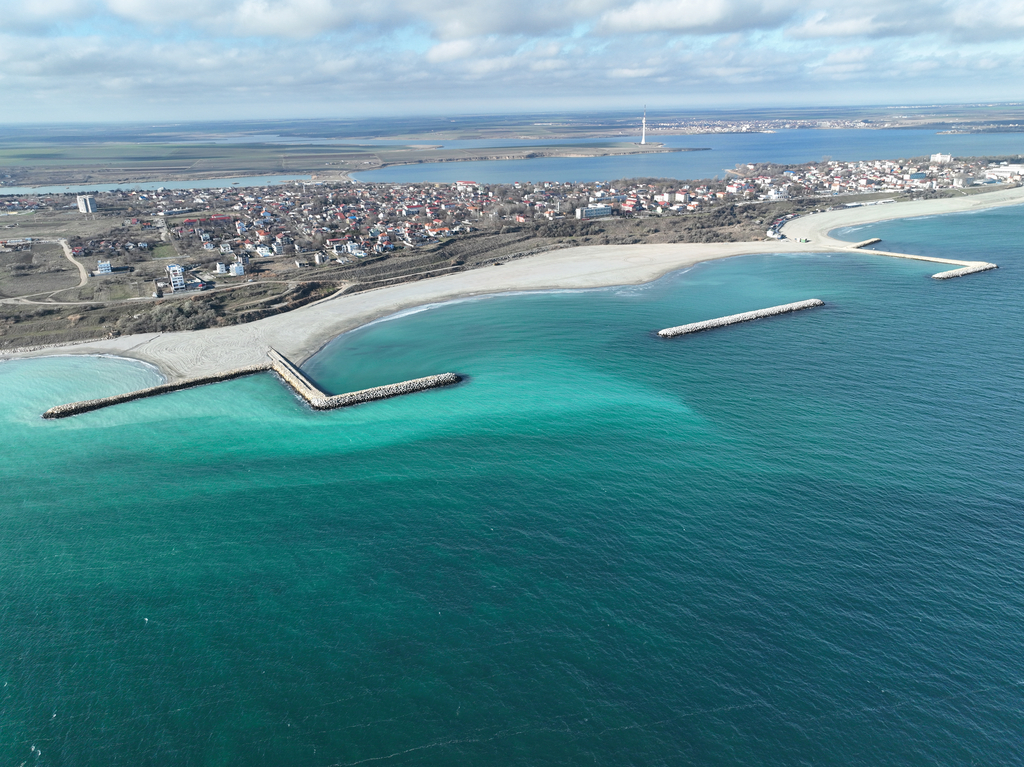
To counter the rapid degradation of coastlines and protect Natura 2000 habitats, the Romanian Government launched a coastal protection project to strengthen the…
Seagrass relocation
Van Oord Ocean Health applies field‑tested collection, transport, and replanting techniques tailored to slow‑growing, vulnerable species, ensuring impacts are reduced to the lowest practicable level while construction proceeds.

Request info
Contact
Want to know more about Seagrass relocation?
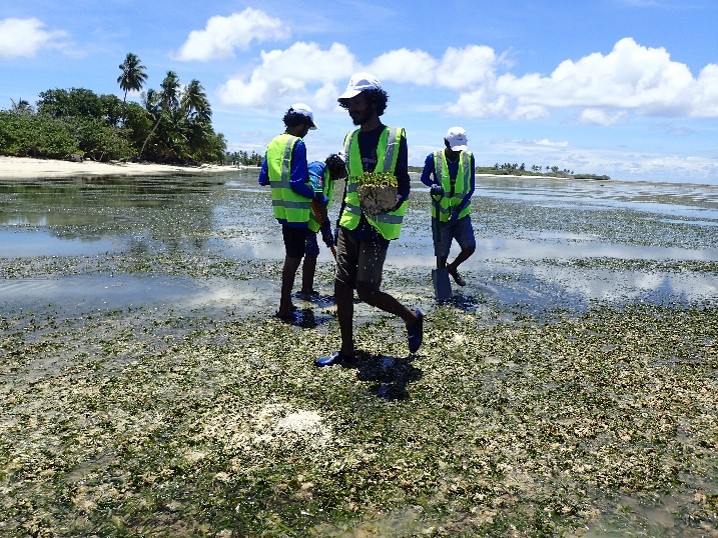
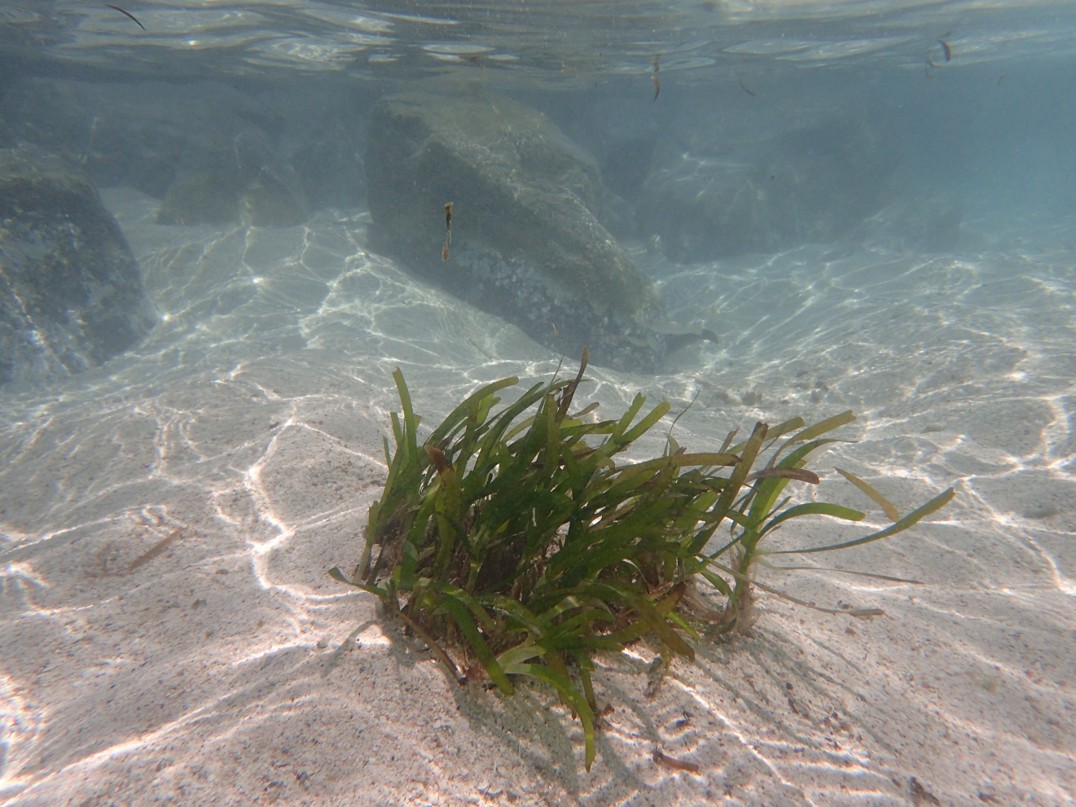
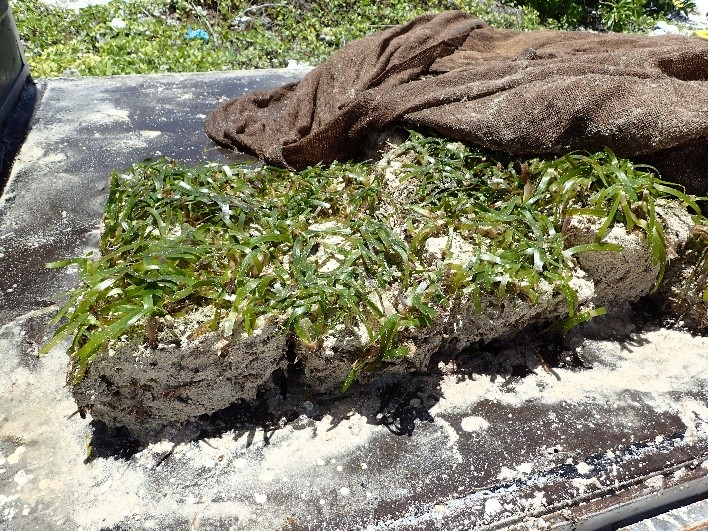
When coastal developments take place in regions where seagrass meadows provide irreplaceable ecological, economic, and cultural value, seagrass relocation becomes a critical execution step to keep projects compliant with biodiversity and international financing standards. Seagrass meadows are often classified as Critical Habitat, requiring strict mitigation actions under standards such as: IFC Performance Standard 6 (Critical Habitat & No Net Loss / Net Gain), OECD Guidelines, Equator Principles, and EBRD Environmental & Social Policies.
Where impacts cannot be fully avoided, relocation offers a valuable way to conserve high‑value habitat, especially for slow‑growing species that do not naturally recover quickly or produce reliable seed banks.
Our Approach
Before relocation begins, our specialists work with project teams to minimize project footprints, avoid high‑value seagrass areas, reduce turbidity and sedimentation risks, and optimize the alignment of reclamation, pipeline, or dredging works. This early collaboration reduces environmental impact and limits the need for relocation.
When avoidance isn’t possible, we relocate seagrass meadows—especially slow‑growing species like Posidonia oceanica and Thalassia hemprichii, which cannot naturally recover within a decade.
A critical first step is identifying suitable recipient sites that match the donor meadow’s depth, sediment stability, hydrodynamics, and water quality. These may be existing meadows damaged by storms or areas previously impacted by construction.
Our relocation method uses sod excavation, harvesting intact units of plants, sediment, rhizosphere, and infauna. This technique offers high survival rates and can be enhanced with mechanized tools. Sods are then transported by sea or land and replanted at selected sites.
After construction, we support natural or active recovery—what we call reinstatement. This may involve returning relocated sods, applying restoration methods, or conducting physical seabed restoration such as sediment layer reconstruction and seabed leveling.
Collaborations
We work with local NGOs, community groups, authorities, and experts to ensure social acceptance, local stewardship, long‑term monitoring, and successful outcomes. Community engagement and awareness programs are often integrated into our offset or enhancement strategies.
